

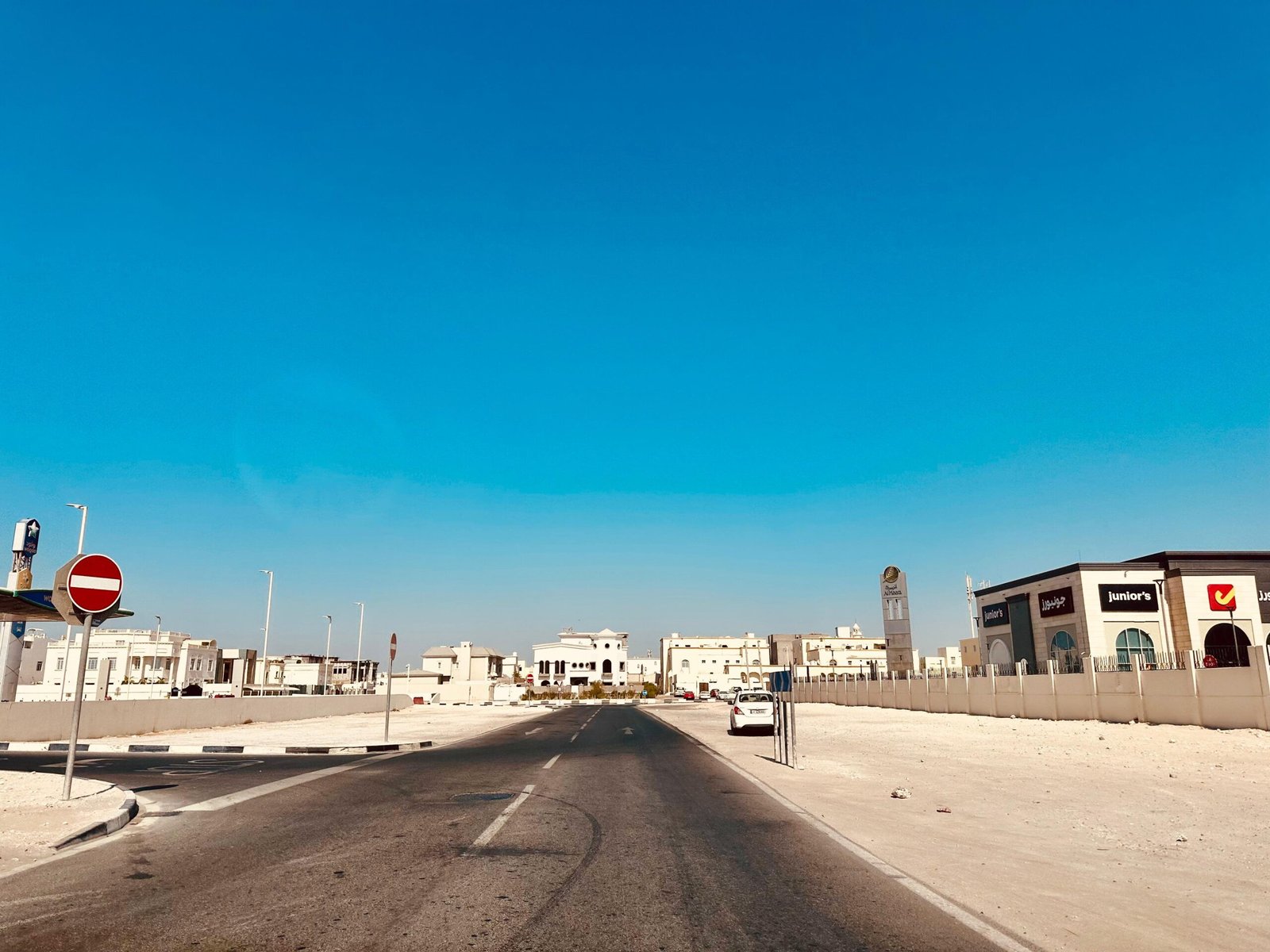
Qatar is quietly turning into one of the Gulf’s most attractive real estate markets — and 2025 looks set to be the year when cautious observers become active buyers. A mix of post-World Cup infrastructure, clearer investor rules and rising buyer demand is reshaping the landscape from Doha’s skyline to new masterplans in Lusail. If you’re asking whether now is the time to invest in Qatar real estate, the short answer is: the fundamentals are aligning. Read on for the practical reasons, recent policy changes, and a few on-the-ground tips for investors in 2025.
1. Strong price momentum and recovering transaction volumes
After a period of correction, Qatar’s residential price index has shown notable growth year-on-year, reflecting renewed demand for both apartments and villas in key municipalities around Doha. Market trackers report meaningful gains in the first half of 2025, driven by higher transaction values and increased buyer confidence. These price and transaction trends are a key reason investors are turning their attention to Qatar real estate investment in 2025. Global Property Guide
2. Faster residency and title processes make purchases more attractive
One of the most practical barriers for many international buyers has been administrative friction — long waits for title deeds or residency permits. Recent policy moves are changing that. New guidance and reports indicate Qatar is moving to speed up the issuance of property title deeds and residency permits for qualifying real estate buyers, in some cases within a matter of days after purchase. That kind of administrative efficiency materially increases the appeal for overseas investors who want a predictable, fast settlement process when they buy property in Doha or Lusail. The Economic Times
3. Government reforms and a pro-investment legislative push
Qatar’s wider economic strategy is also supporting the property cycle. The government has been actively reviewing and drafting reforms to attract foreign direct investment — from simpler company registration to laws that encourage private sector growth. That pro-investment stance helps create broader market confidence, which flows into real estate as international capital seeks stable, well-regulated Gulf markets. If you follow where capital goes, regulatory clarity is one of the most reliable indicators. Reuters
4. Supply is being matched by targeted delivery in high-demand zones
It’s important to understand that not all supply is equal. Recent market commentary points to a targeted supply increase — new residential unit completions are concentrated in areas like Lusail, Al Waab and The Pearl, which are already in high demand. Developers are focusing on finished, ready-to-move properties and mixed-use projects that attract both owner-occupiers and professional investors, reducing the usual oversupply risk you see in other markets. ValuStrat
5. Who’s buying — and why this matters
Demand in 2025 is coming from three main buyer groups: (1) local and regional buyers who want a second home or rental income, (2) expats and professionals relocating to Qatar for work, and (3) international investors seeking stable Gulf assets. The mix is healthy: owner-occupiers support long-term price stability while institutional and private buyers add liquidity. This combination is important — it makes the market less volatile than a purely speculative boom.
6. Hotspots to watch: Lusail, The Pearl and select Doha districts
If you’re searching for specific locations, Lusail continues to be a headline performer because of masterplan scale and infrastructure promises; The Pearl retains high-end demand and rental yield profiles; and select central Doha districts (Corniche, West Bay) remain popular for short-term rentals and professional tenants. For buy-to-let strategies, neighborhoods with easy access to business districts, schools and transport corridors tend to perform best. Recent market reports highlight these zones as primary contributors to transaction growth. Knight Frank AE
7. Practical entry points and risk management
If you’re considering buying in Qatar in 2025, here are simple, no-nonsense steps that many successful buyers follow:
- Verify title and developer reputation. Use official registries and ask for clear title documentation before committing.
- Work with a licensed real estate agent who specializes in the local municipality (Doha, Al Rayyan, Lusail). They’ll help with pricing and lease-back or rental potential.
- Consider new-builds with completion guarantees if you prefer developer warranties; for immediate yield, look at well-located resale apartments.
- Factor in transaction costs and taxes (agent fees, registration costs) when modeling returns.
These steps reduce surprises and put you in control of the investment case.
8. Long-tail opportunities: co-living, logistics and smart homes
Beyond classic residential plays, Qatar is seeing interest in asset types like co-living (appealing to younger professionals), light industrial/logistics (supporting regional trade), and smart-home enabled properties. These niche sectors can offer higher yield or future upside, particularly as Qatar positions itself as a regional logistics and fintech hub.
9. Final take: balanced optimism
There’s no one-size-fits-all answer in property, but in 2025 Qatar presents a compelling, pragmatic case: regulatory momentum, clearer residency pathways for buyers, targeted supply in high-quality districts, and improving transaction volumes. For investors with a medium-term horizon (3–7 years) and a disciplined approach to due diligence, Qatar real estate investment in 2025 looks less like a gamble and more like a strategic allocation within a diversified Gulf portfolio